
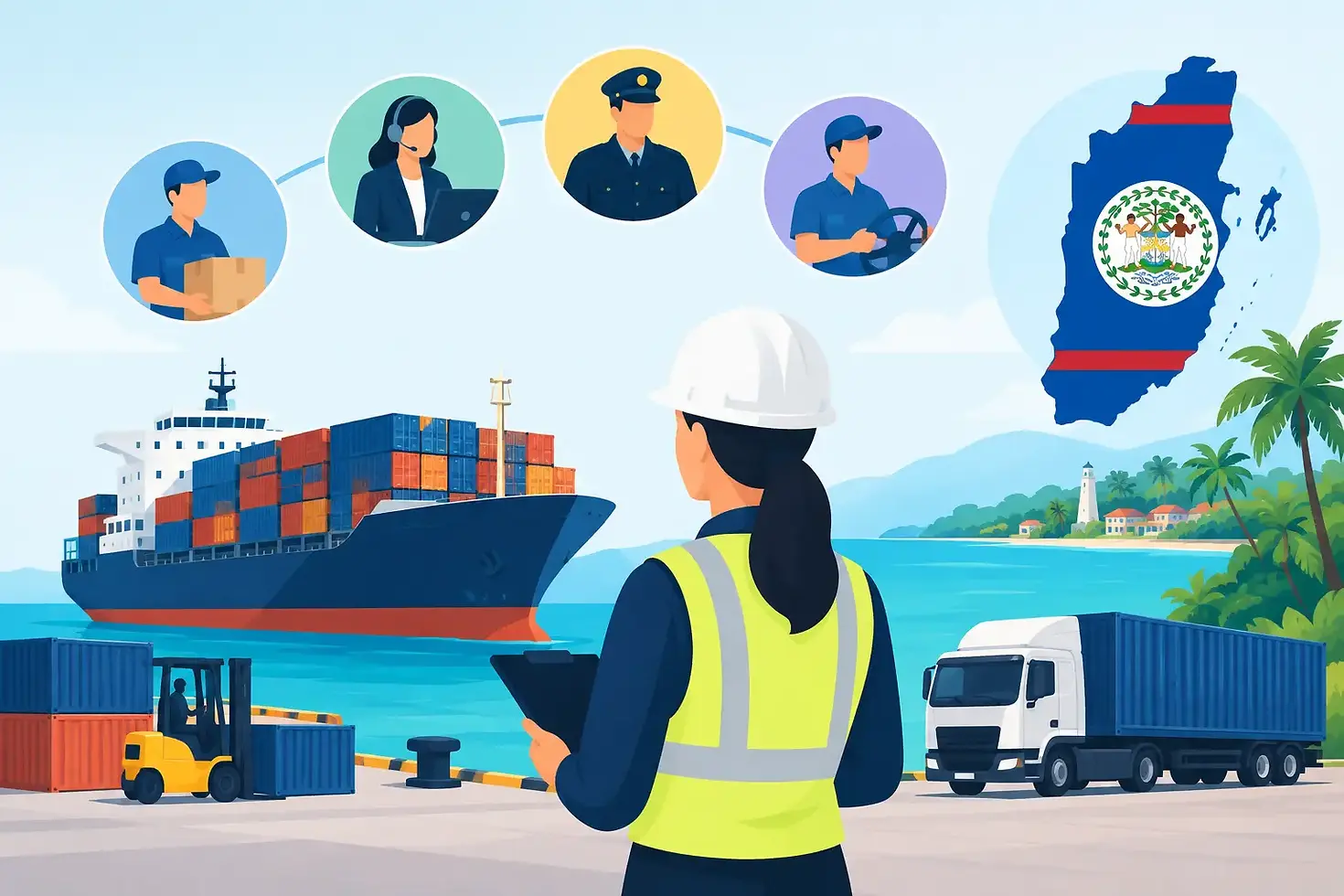
Who Handles Duties When Shipping to Belize?
A great online deal can feel less exciting when the package reaches Belize and you are unsure what customs will charge. The question of who handles duties is one of the most common questions for shoppers ordering from U.S. stores. The short answer is that customs authorities assess applicable duties and taxes, while your freight forwarder helps manage the shipping and clearance process. As the importer, you may still be responsible for the charges connected to your goods.
That distinction matters. It helps you plan your purchase properly, provide accurate shipment information, and avoid preventable delays once your cargo is ready to travel from the United States to Belize.
What Duties Mean for Your Shipment
Import duties are charges that may be applied when goods enter Belize from another country. Customs uses details about the shipment - including the item type, declared value, quantity, and purpose of import - to determine how it should be treated.
Duties are not simply a shipping fee. They are government charges associated with bringing goods into the country. Depending on the item, there may also be taxes or other customs-related charges. A pair of shoes, a laptop, vehicle parts, beauty products, and merchandise for resale can each be assessed differently.
This is why the price on a U.S. retailer's website is not always the final cost of getting an item into Belize. The store price, U.S. sales tax where applicable, freight charges, customs duties, and local delivery choices are separate parts of the overall purchase.
Who Handles Duties in the Shipping Process?
Several parties have a role, but they do not perform the same job.
Belize Customs has the authority to review imported cargo and assess duties, taxes, or other required charges. Customs also decides whether more information is needed before a shipment can be released.
The customer is generally the importer of the goods. That means the customer must provide truthful purchase information and is responsible for customs charges that apply to the shipment. When you buy items for a business, resale, or a larger project, this responsibility becomes even more important because the quantity and purpose of the goods may affect customs processing.
A freight forwarder coordinates the practical journey of the package. BelX International receives your items at its Austin, Texas facility, processes and consolidates eligible packages, arranges air freight, and manages the customs-clearance workflow in Belize. This support removes much of the operational burden, but it does not change Customs' authority to assess charges or eliminate the need for accurate customer information.
In practical terms, the forwarder handles the movement and clearance coordination. Customs determines what is due. The customer pays the applicable charges associated with their imported goods.
Why Item Details Matter So Much
Customs clearance starts long before a package is placed on a plane. The information attached to the shipment must clearly describe what was purchased and how much it cost. A vague description such as “gift,” “items,” or “parts” can create questions that slow down processing.
Keep your invoice, order confirmation, and payment record available for every purchase. These documents help confirm the value of the goods and give a clear description of the item. If an order contains several products, the invoice should show each product rather than only a total whenever possible.
Accuracy protects you. Declaring a lower value to reduce duties may lead to delays, reassessment, penalties, or other customs concerns. It can also make it harder for the forwarder to advocate for a quick resolution because the paperwork does not match the shipment.
For personal purchases, describe the item plainly: “women’s running shoes,” “wireless keyboard,” or “children’s school supplies.” For business cargo, include a useful description such as “restaurant food containers,” “salon hair products,” or “replacement printer cartridges.” Clear documentation gives Customs what it needs to process your cargo with less back-and-forth.
Personal Orders and Business Imports Are Not Always Treated Alike
One or two items for household use may not raise the same questions as repeated shipments of identical products. For example, importing one phone case is different from importing 100 phone cases intended for resale.
If you operate a small business, order inventory regularly, or import equipment for an organization, plan for a more detailed review when needed. Purchase invoices, business details, permits for controlled goods, and product-specific documentation may be required depending on what you are bringing in.
The best approach is to treat business cargo as business cargo from the start. Trying to label commercial goods as personal items creates risk and can interrupt the dependable delivery schedule you need for customers or operations.
What Your Freight Forwarder Can Do
A reliable forwarding service is valuable because it organizes a process that would otherwise require you to coordinate U.S. receiving, international shipping, cargo documentation, customs communication, and local collection on your own.
Once you create an account, you receive a dedicated U.S. shipping address. Send your online purchases to that address in Austin, where packages can be received and processed. When multiple eligible orders arrive, consolidation may reduce the inconvenience of handling separate international shipments.
From there, shipment updates help you see where your cargo stands. If more information is needed to process a package, responding quickly can prevent it from waiting unnecessarily. After air freight and customs processing, you can use the available local fulfillment option that best fits your needs, whether that is pickup at Millers Depot in Roaring Creek Village or eligible onward delivery arrangements.
The service is designed to make the process organized, fast, reliable, and secure. Still, no forwarder can guarantee a duty amount before Customs reviews the particular goods, or release a shipment before required clearance steps are complete.
How to Avoid Delays Related to Duties and Customs
Most customs delays are avoidable. They usually happen when documentation is missing, the declared value is unclear, the item description is too broad, or the cargo needs an approval that was not considered before ordering.
Before checking out with a U.S. retailer, confirm that the product can be imported and consider whether it may be restricted or regulated. Some categories may require special treatment, including certain food products, medicines, chemicals, wireless devices, high-value electronics, and commercial quantities of goods. If you are uncertain, ask before you order rather than after the package reaches the warehouse.
Use your account name and assigned U.S. address exactly as provided. This helps identify your package quickly when it arrives at the facility. Save the invoice immediately after you purchase, especially when a retailer's order page may change after shipment.
It also helps to separate your expectations for freight charges from your expectations for customs charges. The online shipping calculator can help you estimate shipment-based forwarding costs, but customs duties are determined through the official import process. Budgeting for both gives you a more realistic total before you buy.
A Simple Checklist Before Your Package Ships
For a smoother experience, make sure you have these essentials ready:
Your package is addressed to your assigned U.S. mailing address with your account details.
Your retailer invoice shows the item description, quantity, and amount paid.
The declared value matches your actual purchase.
You have checked whether the item needs a permit, approval, or special handling.
You are prepared to pay applicable freight and customs-related charges so your cargo can move forward without unnecessary waiting.
This preparation is especially useful during busy shopping periods, when retailers may send orders in multiple packages and clearance volumes can be higher than usual.
What Happens If Customs Requests More Information?
A request for more information does not automatically mean there is a problem. Customs may simply need to verify an invoice, clarify an item description, confirm the quantity, or review the intended use of the goods.
When contacted, send the requested documents promptly and make sure they are readable. Screenshots should show the retailer name, order number, items, prices, and total paid. If the order was a gift but has a purchase value, provide the available evidence of value rather than assuming “gift” removes all duty considerations.
For entrepreneurs, keeping a folder for each shipment can save time. Store supplier invoices, payment confirmations, product descriptions, and any required approvals together. That habit makes repeat importing easier and gives you a clearer record of your landed cost.
Plan for Clarity, Not Surprises
Who handles duties? Customs assesses them, your freight forwarder coordinates the shipping and clearance process, and you remain responsible for providing honest information and covering charges that apply to your imports. Knowing each role helps you shop with confidence instead of guessing when your package is already on its way.
A little preparation at checkout can make your weekly shipment feel exactly as it should: routine, visible, and in safe hands from the U.S. address to delivery in Belize.


